—INTERNATIONAL TRAVEL • EAST ASIA
PERSONAL NOTES:
August 15 - August 29
Tokyo, Kyoto, Osaka, Nara
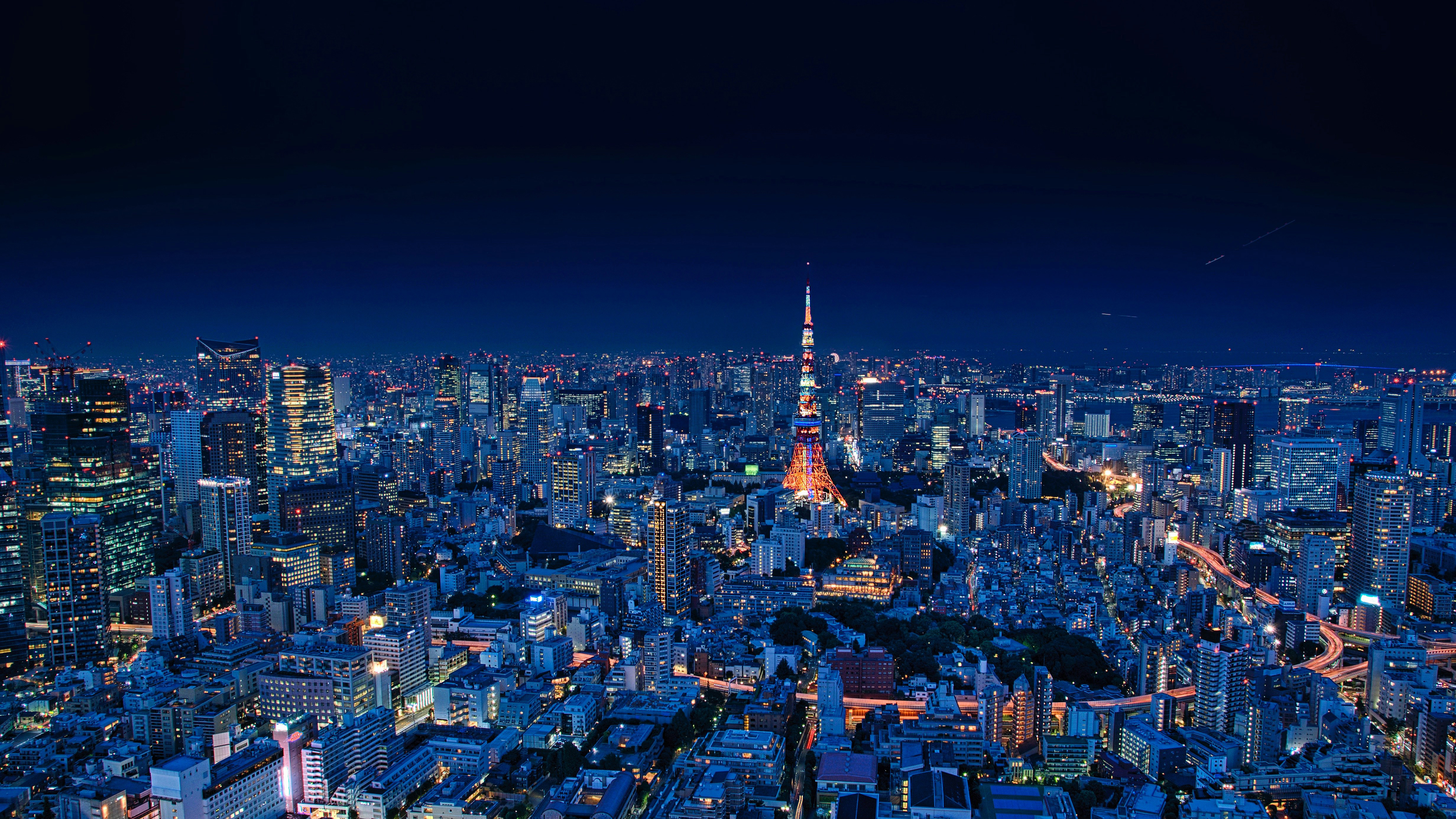
Two weeks across three very different Japans — the ancient stillness of Kyoto, the overwhelming everything of Tokyo, and the quiet, unhurried pace of the Noto Peninsula in between. Everywhere you go, someone has thought carefully about the thing they are making.
Shinjuku felt like stepping into a rhythm I didn't quiteunderstand at first, but somehow fell into anyway. The moment I emerged from Shinjuku Station, everything moved fast—people weaving through each other with purpose.
Shinjuku felt like stepping into a rhythm I didn't quite understand at first, but somehow fell into anyway. The moment I emerged from Shinjuku Station, everything moved fast—people weaving through each other with purpose, trains arriving and leaving with perfect timing. I stood there for a second, trying to take it all in, watching the tide of commuters flow around me like I was standing still in the middle of a current.
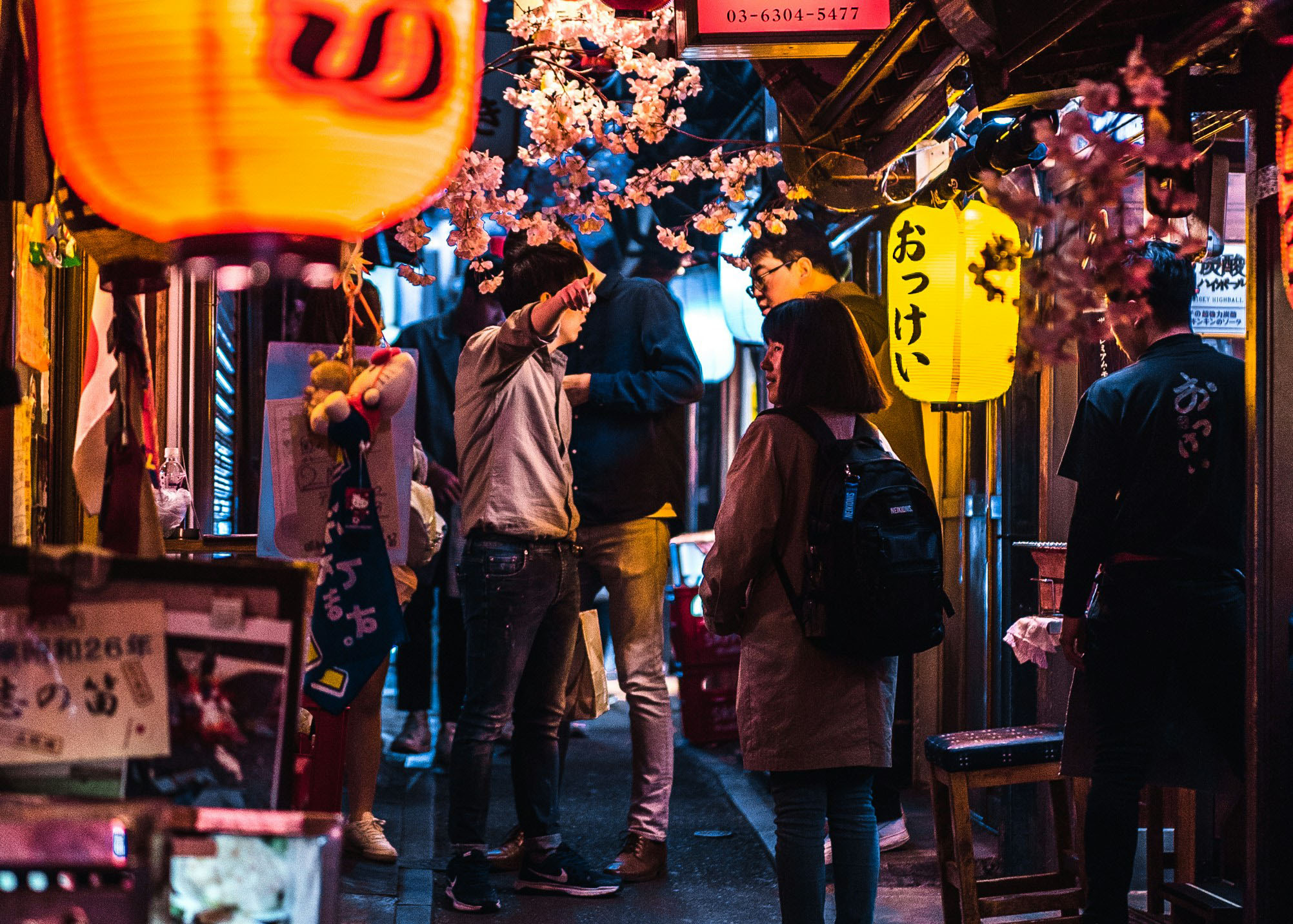
By evening, the city shifted. Neon signs flickered on, and Kabukicho came alive in a way that felt almost surreal. There was a constant hum—music spilling out of doorways, conversations overlapping, lights reflecting off every surface. It felt chaotic, but not overwhelming. More like the city was inviting you to get lost in it for a while. I wandered without a plan, letting whatever caught my attention pull me in a different direction.
Earlier that day, I had escaped into Shinjuku Gyoen National Garden, which felt like a completely different world tucked inside the city. The air was quieter, softer. People sat on the grass or walked slowly along the paths, like time had stretched out just a little. I remember sitting there longer than I planned, watching the trees move gently in the breeze, thinking about how strange it was that both this calm and the rush of the streets existed just minutes apart.
What stayed with me most was that contrast. Shinjuku never felt like just one thing—it was layers of motion and stillness, noise and quiet, structure and spontaneity. By the time I left, I realized I hadn't really “seen” everything, but I had felt it. And somehow, that felt more important.
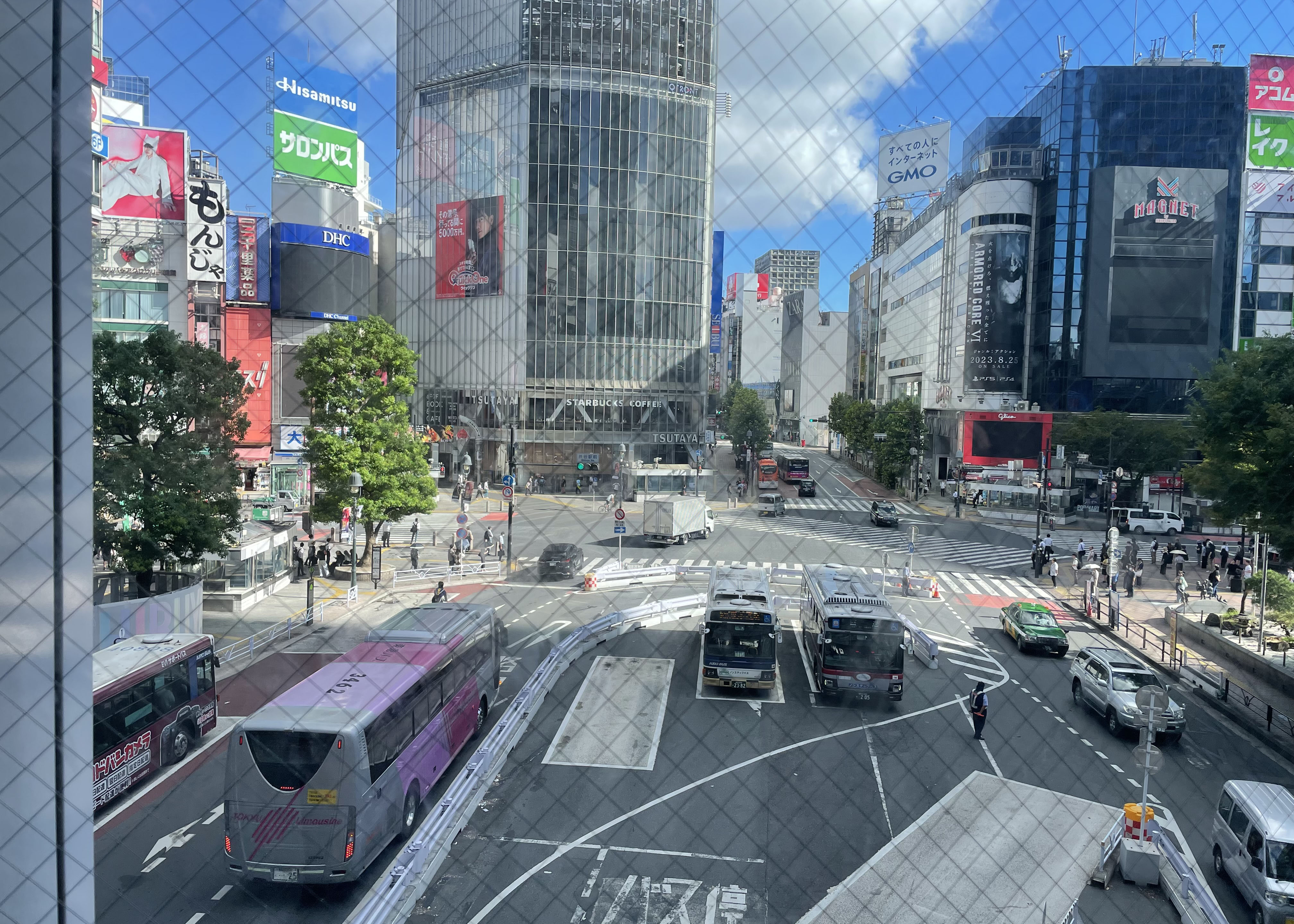
Shibuya felt like stepping into a rhythm I didn't quite understand at first, but somehow fell into anyway. I came out of the station and was immediately carried along by the flow of people toward Shibuya Crossing.
Shibuya felt like stepping into a rhythm I didn't quite understand at first, but somehow fell into anyway. I came out of the station and was immediately carried along by the flow of people toward Shibuya Crossing. When the lights changed, everything moved at once—hundreds of people crossing in every direction, like a perfectly choreographed moment of chaos. I hesitated for a second, then walked right into it, letting myself be part of the movement. It was loud, bright, overwhelming, but in a way that felt exciting instead of stressful.
I wandered without much of a plan, letting the streets pull me where they wanted. Neon signs stacked on top of each other, music spilling out from open storefronts, the hum of conversations in a language I couldn't fully follow but still enjoyed listening to. I stopped near the Hachikō Statue, watching people meet up, greet each other, take photos. There was something comforting about it—this small, familiar moment of connection happening in the middle of such a fast-moving place.
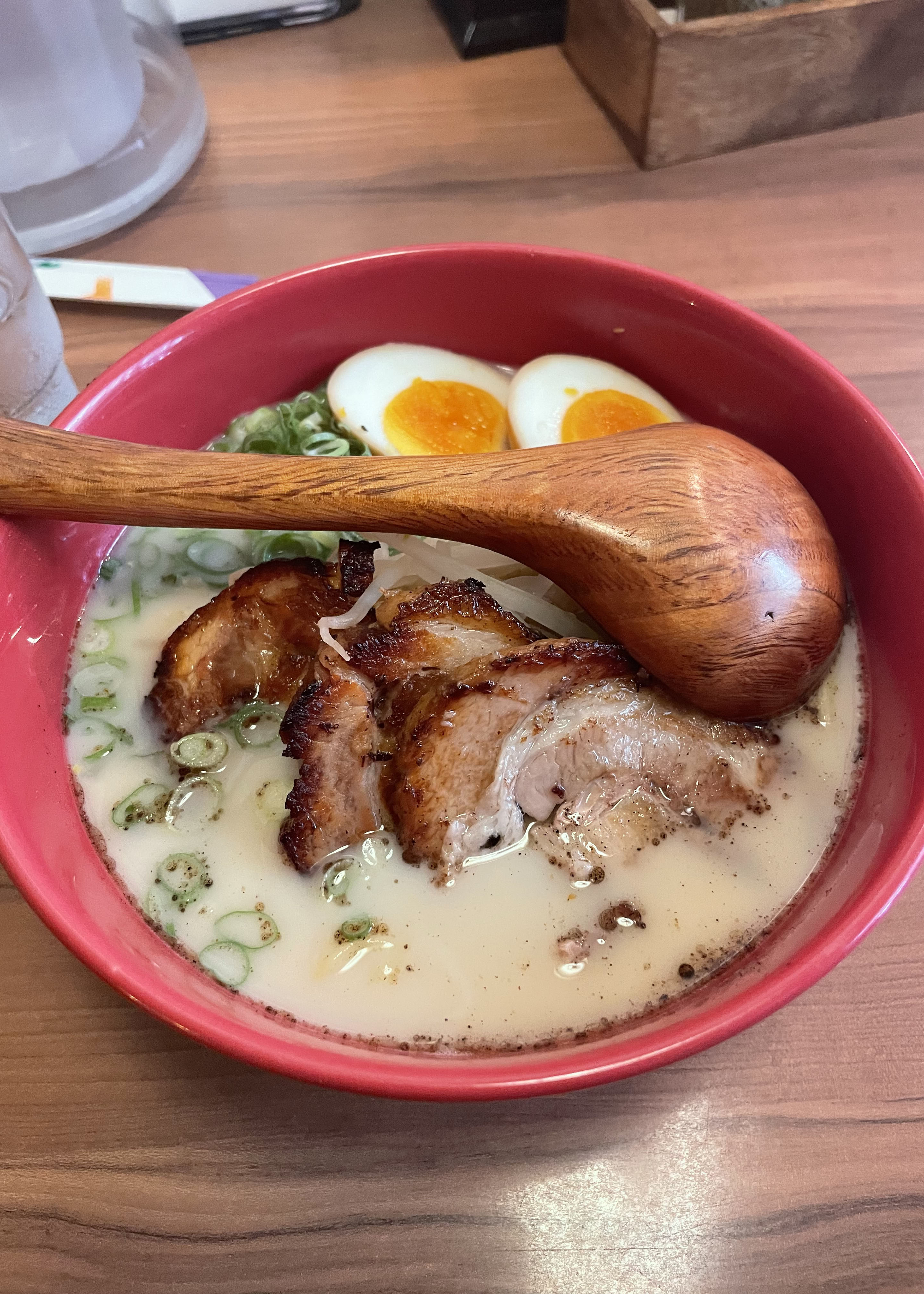
Later, I ducked into a side street and everything softened. The crowds thinned, the lights dimmed just enough, and I found a tiny spot tucked between taller buildings. I ordered something warm, not entirely sure what it was, and sat by the window watching people pass by. Shibuya wasn't just the crossing or the noise—it had these quieter pockets too, moments where the city slowed down just enough for you to catch your breath.
By the time I headed back toward the station, the sky had turned dark but the city felt even more alive. The screens glowed brighter, reflections shimmered on the pavement, and the energy hadn't faded at all—it had just shifted. I realized I hadn't really “seen everything,” but that didn't matter. Shibuya didn't feel like a place you finish—it felt like a place you experience, little by little, each time a bit differently.
Harajuku felt like stepping into a place where everything was a little louder, brighter, and more expressive than I expected—in the best way.
Harajuku felt like stepping into a place where everything was a little louder, brighter, and more expressive than I expected—in the best way. The moment I turned onto Takeshita Street, it was like being swept into a current of color and movement. Shops spilled out onto the sidewalk, music layered over chatter, and every few steps there was something new competing for attention. I kept slowing down, not because I was tired, but because I didn't want to miss anything. Even the smallest details—stickers on lamp posts, hand-written signs, the way people styled their outfits—felt intentional, like the whole street was a living collage.
What stood out the most were the people. No one seemed afraid to take up space here. Outfits weren't just clothes—they were statements, moods, entire personalities. I saw layers of lace next to oversized streetwear, pastel hair next to sharp monochrome looks. It made me think about how different self-expression feels when it's fully embraced. Instead of standing out awkwardly, individuality felt like the norm, almost expected. I caught myself wondering what I would wear if I lived here, and whether I'd be brave enough to match that same energy.
At some point, I ducked into a small shop to escape the crowd, but ended up staying longer than I meant to. It smelled faintly sweet—probably from the crepe stand outside—and there was something comforting about flipping through racks of clothes that felt so different from anything back home. Later, I gave in and got a crepe, folded into that perfect paper cone, filled with strawberries and whipped cream. It was messy and a little too sweet, but it felt like part of the experience, like you're supposed to walk around with it while taking everything in.